Educating the community in the Burndennett Valley on water quality
People in the Burndennett Valley have been able to learn more about the role they play in improving water quality, and potential threats to the health of local waterways, thanks to a Department of Agriculture, Environment and Rural Affairs (DAERA) grant funded through the Carrier Bag Levy. The Water Quality Improvement Strand (WQIS), an annual grant for not-for-profit organisations to raise awareness of issues impacting on the water environment and encourage behavioural change to help improve local water quality, is delivered by the Northern Ireland Environment Agency (NIEA).
Established around five years ago, the Dennett Valley Health Network (DVHN) was created to help combat issues around social isolation in a rural area.
The carrier bag levy grant from DAERA under the Water Quality Improvement Strand (WQIS), delivered by NIEA, enabled the DVHN, together with the Dennett Anglers Association to collaborate on a project to promote sustainable environmental practices.
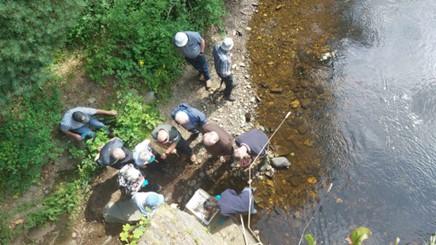
Speaking about the background to the project Damien Devine, from Dennett Anglers Association said:
“At the outset, community knowledge of water quality was weak. Local anglers have always been the eyes and ears of water quality. Especially, as the river resource is the arena for their sport. With the help of the Dennett Anglers Association the project has created a new volunteer front. We now have dozens more people, who call the river valley home, aware of potential water quality threats, and essentially coming forward to put the shoulder to the wheel in helping to highlight water quality concerns.
“This project, going forward, has provided a genuine opportunity for citizen science to be delivered throughout the watershed. Attitudinal change, in terms of personal domestic water usage will no doubt evolve with such knowledge.”
Community workshops: Building knowledge and action
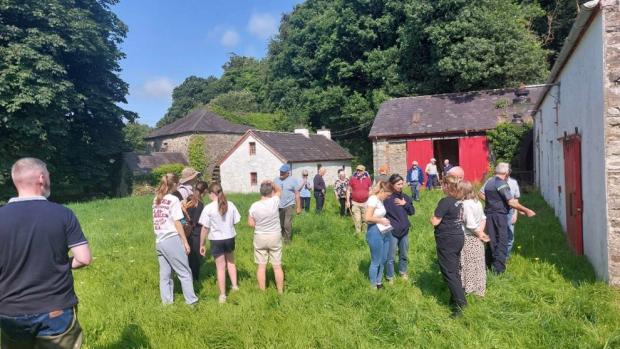
In 2024/25 the project successfully held workshops for the general public within the Burndennett Valley community. These covered topics including:
- functions of water in everyday life
- river biodiversity
- investigating and identifying potential river threats
- domestic usage of water.
The workshops were attended by 227 participants and, as a result, there is now a larger body of people, outside of the Dennett Anglers Association, that have a basic understanding of how their actions affect water quality.
Digital outreach: Extending education
The DVHN also created an educational website to extend their outreach to people who could not attend the workshops. This will ultimately help to promote the conservation actions and protection measures that DVHN would like to establish in the area.
In a further benefit from the project, workshop participants have since joined other local environmental programmes to further educate themselves and remain involved with the preservation of their waterways.
Next steps
Following the success of this project in 2024/25, further funding for 2025/26 from the WQIS was secured for follow-on work to be completed by the DVHN. The continuation of this project will involve additional workshops for people in the community to attend.
The hydrological cycle, domestic and agricultural water use, blue green algae and invasive species identification are set to provide the focus of future topics. Meanwhile, there are plans for a riverfly monitoring group to be established within the area, along with training courses for locals about basic outdoor first aid and map reading.
Impact and outcomes
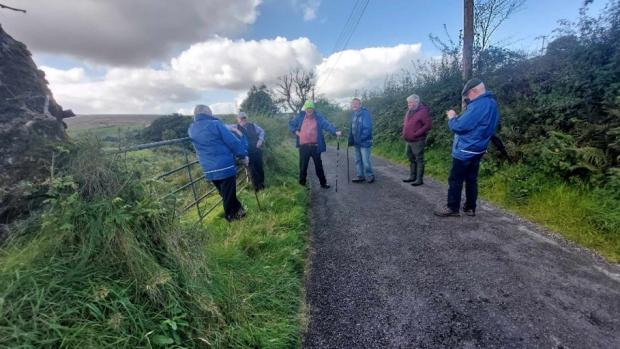
The Dennett Valley Health Network says the project has successfully taught families in the local community about the role they play in improving water quality and has increased awareness of the potential threats to local waterways. The next phase will look to involve local communities in investigative work to identify root causes of pollution incidents and areas of blue green algae. Building the confidence of individuals to voice their concerns of their local environment will be very helpful to tackle ongoing water quality issues.
To find out more about the project, visit Dennett Valley Health Network