Identification, registration and movement of camelids and cervids
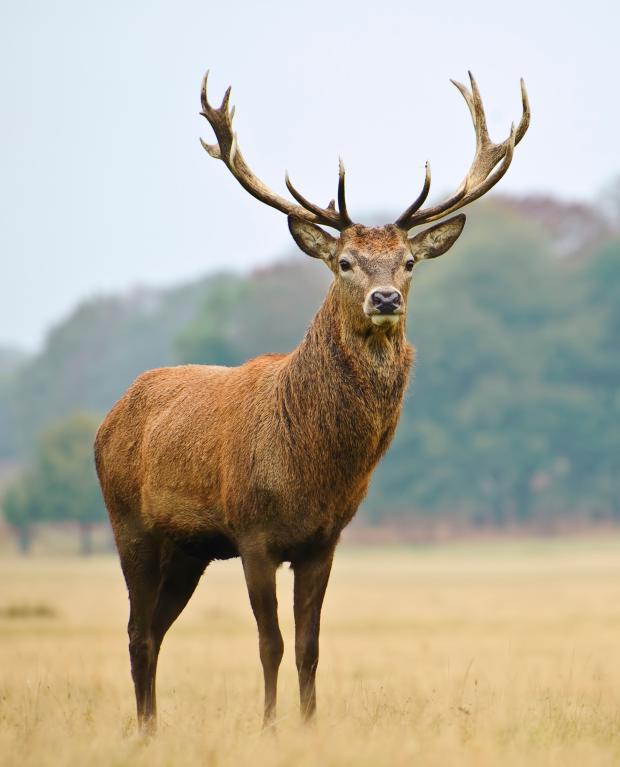
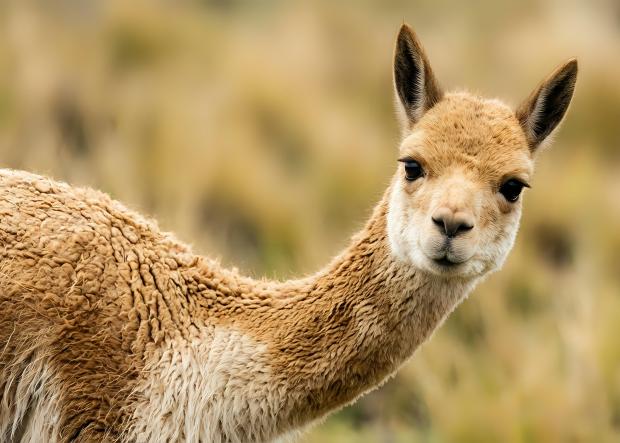
This page provides information on the identification, registration and movement (IRM) rules for camelid and cervid animals in Northern Ireland. The most common animals of these species include alpacas, llamas, deer and reindeer.
(Updated 5 May 2026)
Introduction
Under European Union (EU) Regulation 2016/429, commonly known as the Animal Health Law (AHL), there are mandatory requirements for keepers of camelids and cervids. The AHL requirements are similar, but less onerous, than those in place for cattle, sheep and goats, and pigs.
The AHL refers to anyone who owns, or has responsibility for animals, as ‘operators’.
In summary, anyone keeping camelids and cervids needs to:
- Register their establishment with DAERA.
- Identify animals with DAERA-approved devices within nine months of birth or before they are moved from the establishment of birth, whichever is earlier.
- Keep appropriate records for at least three years.
Please see the following sections below for more information and guidance.
Establishment Registration
Operators keeping camelids and cervids must register their establishments with DAERA before 30 September 2026. Registration information will be held on the DAERA Northern Ireland Farm Animal Information System (NIFAIS), and no inspection visits are required to register establishments keeping camelids and cervids.
Registration can be completed online via the DAERA Registration page, and operators will be allocated an establishment code in the form of an Animal Group Number (AGN) for each species.
Alternatively, operators can download a paper AGN application form, complete it and return it to any DAERA Direct Office.
Even those intending to keep small numbers of camelids and cervids, for example, hobby or backyard animals, must register their establishment with DAERA (similar to what is already required for backyard poultry, pot-bellied pigs and pygmy goats).
Operators keeping camelids and cervids already registered with DAERA will be permitted to maintain their existing registration, for example, those voluntarily registered under the Balai Directive, which has been repealed by the AHL.
There may be a requirement for other business areas within the Department to approve camelid and cervid establishments for particular activities, (e.g. for trade, slaughterhouses, zoos, trekking businesses etc) and this will be managed separately by the relevant business area, including inspection visits.
Animal Identification
Identification code
The identification codes on any means of identification must contain the following information:
- Northern Ireland country code ‘XI’ - followed by the digit ‘1’ (or ‘899 followed by the digit ‘1’ on electronic identification devices).
- Establishment code (AGN) – 6 digits, starting with the digit ‘9’ for camelids and cervids.
- Individual animal number - unique 5-digit number for each animal, to be allocated by the operator.
Individual animal identification codes do not need to be notified to DAERA, only the operator establishment code (AGN) will be recorded by DAERA on NIFAIS at time of registration. Operators must record their own animal identification codes in the establishment records they maintain. (See ‘Record Keeping’ section below).
Camelid and cervid animals already identified will be permitted to retain their original form of identification, which must be recorded in establishment records. From 4 January 2027 any animal not already identified must be identified as set out on this page.
Operators must only use identification devices approved by DAERA.
Operators must identify all camelid and cervid animals within nine months of birth, or before they are moved from the establishment of birth, whichever is earlier.
Camelids
Operators keeping camelid animals must ensure that their animals are individually identified by either:
- a conventional ear tag attached to each ear flap of the animal with visible, legible and indelible display of the identification code of the animal; or
- an injectable transponder with legible and indelible display of the identification code of the animal.
Cervids
Operators keeping cervid animals must ensure that their animals are individually identified by one of the following means of identification:
- a conventional ear tag attached to each ear flap of the animals with visible, legible and indelible display of the identification code of the animal; or
- an injectable transponder with legible and indelible display of the identification code of the animal; or
- a tattoo applied to an animal with indelible display of the identification code of the animal.
NOTE: At present there are no injectable transponders approved for use by DAERA, as no supplier has been identified which can provide suitable devices. All electronic identification (EID) devices, (for example, injectable transponders or ruminal boluses), must meet the full specifications set out in the AHL. This includes being encoded with the numerical version of the Northern Ireland country code ‘899’, as well as the remaining elements of the animal identification code.
DAERA is currently exploring options with suppliers to source suitable transponders for use on animals in Northern Ireland, and a further update will be provided in due course.
Reindeer
Operators may identify reindeer by an alternative method, which needs to be approved by DAERA.
Operators can check alternative options which have been approved for use on reindeer by contacting DAERA at: FarmedAnimals.IRM@daera-ni.gov.uk
Ear Tags
For conventional ear tags, white wraparound, flag type, or button type livestock tags already DAERA approved for sheep and goats will be permitted.
Official means of identification must be obtained from a DAERA approved tag supplier and only operators registered with DAERA may purchase them. After an order is placed, the supplier will apply to DAERA for authorisation.
DAERA will allocate the identification numbers, approve their use on the identification devices, and keep a record of the numbers issued to each operator.
Record Keeping
Operators keeping camelids and cervids must keep and retain records for at least three years following the transfer or death of each animal on their establishment, with the following information:
- The identification code of each animal on their establishment.
- Movements of animals into and out of their establishment, including the unique registration or approval number of the establishment of origin/destination of the animals and dates of movements.
- The number of animals held on their establishment.
- Mortality of animals on their establishment.
Movements
Operators must reidentify animals arriving in Northern Ireland from third countries, including Great Britain, within 20 days from the date the animal arrives in Northern Ireland, or before the animal leaves the establishment of first arrival (if earlier). There is no need to reidentify arrivals going to slaughter within 5 days. Any such animals should be reidentified using the format set out at the “Identification Code” section above.
Operators are required to ensure camelid and cervid animals being moved within Northern Ireland are correctly identified, and must fulfil the record keeping requirements as set out above.
At present, movement documents are not required for moves in Northern Ireland, and there is no requirement to notify DAERA of internal Northern Ireland moves.
Operators must record movements of all animals in and out of their establishment, including:
- The unique registration or approval number of the establishment of origin/destination of the animals.
- The identification code of all animals moved.
- The date of movements.
Exports
Operators are required to ensure animals being exported out of Northern Ireland are correctly identified and have to fulfil the record keeping requirements as set out above.
If any camelid or cervid being exported is not already identified using one of the approved means of identification for that species and containing the identification code in the appropriate format, it will need to be reidentified, and the new identification code correlated in the operator’s establishment records.
Additional requirements apply to camelids and cervids being exported to EU Member States, and further information is available on the Trade pages for camelids and cervids.
Q&As
Further information on the IRM rules for camelid and cervid animals in Northern Ireland is included in these Q&As.
For any queries not covered by the information above, or on the Q&As, please contact DAERA by e-mail: FarmedAnimals.IRM@daera-ni.gov.uk